
Home renovation projects have become more than just structural upgrades. Today, homeowners are looking for spaces that feel intentional, functional, and visually cohesive from the inside out. Strong design decisions can completely change how a home feels and functions long term. A well-planned approach to layout, materials, and finishes ensures that every part of the home works together seamlessly. For homeowners exploring a more strategic approach, this approach to renovation interior design company shows how design thinking directly influences successful renovation outcomes.
Why Interior Design Matters in Renovation Projects
Interior design is often the difference between a renovation that simply updates a home and one that transforms it. While construction focuses on structure and function, design determines how those spaces feel and flow. Poorly planned renovations can lead to awkward layouts, wasted space, and inconsistent style choices that reduce long term value.
Good interior design aligns the architectural structure with the homeowner’s lifestyle. It considers how people move through the space, how natural light enters rooms, and how each area connects visually. This creates homes that feel more comfortable, efficient, and cohesive.
In modern renovations, design is no longer an afterthought. It is a core part of planning from the earliest stages of construction.
Planning Before Construction Begins
One of the most important steps in any renovation is proper planning. Homeowners often focus on finishes and furnishings too early, without first understanding the layout and flow of the space.
A strong interior design plan begins with evaluating how each room will be used. This includes identifying key priorities such as open living areas, storage needs, kitchen functionality, and private versus shared spaces. Once these elements are defined, design decisions become much more intentional.
Without this planning phase, renovations can easily become disjointed. Walls may be moved without improving flow, or expensive materials may be installed in ways that do not enhance usability. Thoughtful design planning prevents these issues and ensures that every decision supports the overall vision of the home.
Creating a Seamless Indoor and Outdoor Connection
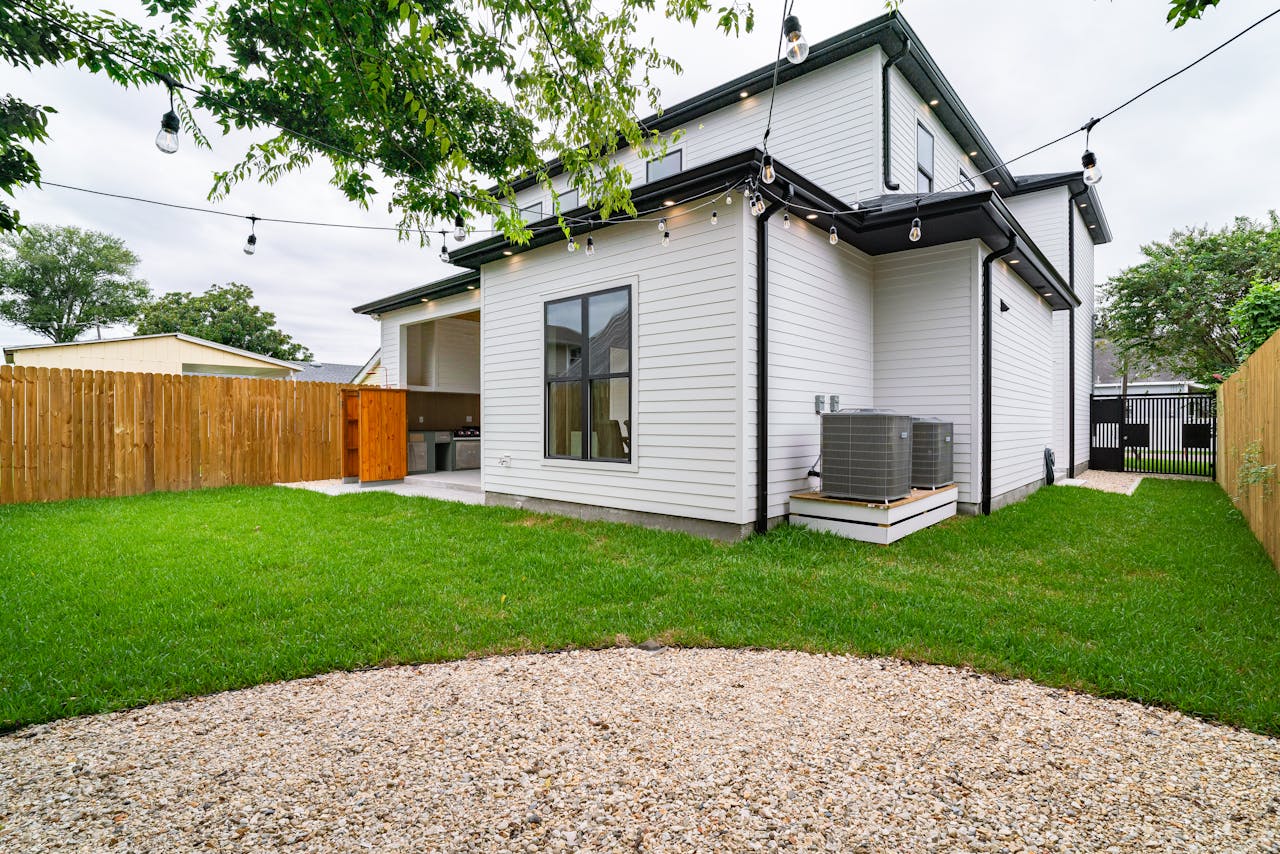
Modern home design increasingly focuses on blending indoor and outdoor living spaces. Homeowners want their interiors to extend naturally into patios, gardens, and backyard environments. This is where coordination between interior design and exterior planning becomes especially important.
When interior spaces are designed with outdoor access in mind, homes feel larger and more connected to their surroundings. Large glass doors, consistent flooring transitions, and complementary materials can all help create this effect.
When interior designers collaborate with outdoor planning concepts, the result is a unified living experience that feels open and balanced.
Common Renovation Mistakes Without Design Guidance
Many renovation issues come from skipping or minimizing the design phase. One common mistake is choosing finishes before finalizing the layout. This can lead to materials that do not match the spatial flow or lighting conditions of the home.
Another frequent issue is ignoring scale and proportion. Furniture, fixtures, and architectural elements must all work together. Without a design plan, rooms can feel either overcrowded or incomplete.
Lighting is another overlooked factor. Poor lighting design can make even high quality renovations feel flat or uninviting. Proper layering of natural, ambient, and task lighting is essential to achieving a balanced environment.
Interior design helps prevent these mistakes by ensuring that every detail is considered within the larger context of the home.
The Role of Interior Designers in Home Renovation
Professional designers bring structure and clarity to renovation projects. Their role goes beyond selecting colors and furniture. They help translate a homeowner’s vision into a functional and cohesive space.
Experienced interior designers understand how to balance aesthetics with practicality. They consider how materials perform over time, how layouts support daily routines, and how design choices affect property value.
Working with a designer also improves communication between contractors, architects, and homeowners. This reduces costly changes during construction and helps keep projects on schedule.
In many cases, the involvement of a designer leads to more efficient use of space and better long term results.
Current Trends in Renovation Interior Design
Modern renovation trends are shifting toward simplicity, functionality, and natural materials. Open floor plans remain popular, but there is also a growing emphasis on creating defined zones within open spaces.
Neutral color palettes, natural wood textures, and stone finishes are widely used to create calm and timeless interiors. Homeowners are also investing in multifunctional spaces, such as home offices that double as guest rooms or flexible living areas that adapt to different needs.
Sustainability is another major influence. Energy efficient lighting, eco friendly materials, and long lasting finishes are becoming standard in modern renovations.
These trends all point toward a more thoughtful and intentional approach to design, where every element serves both aesthetic and practical purposes.
Bringing It All Together
Successful home renovation projects depend on more than construction alone. Interior design plays a central role in shaping how a space looks, feels, and functions. From initial planning to final finishes, design ensures that every decision contributes to a cohesive vision.
When homeowners prioritize design early in the renovation process, they create spaces that are not only beautiful but also highly functional and long lasting.